




Jon Bonnar
Head of Residential

Robin Hodge
Non - Residential Heating/Building Services

Jon Burchfield
Residential Operations



Gain clear direction, practical guidance, and confident decision-making support for your personal or professional challenges.
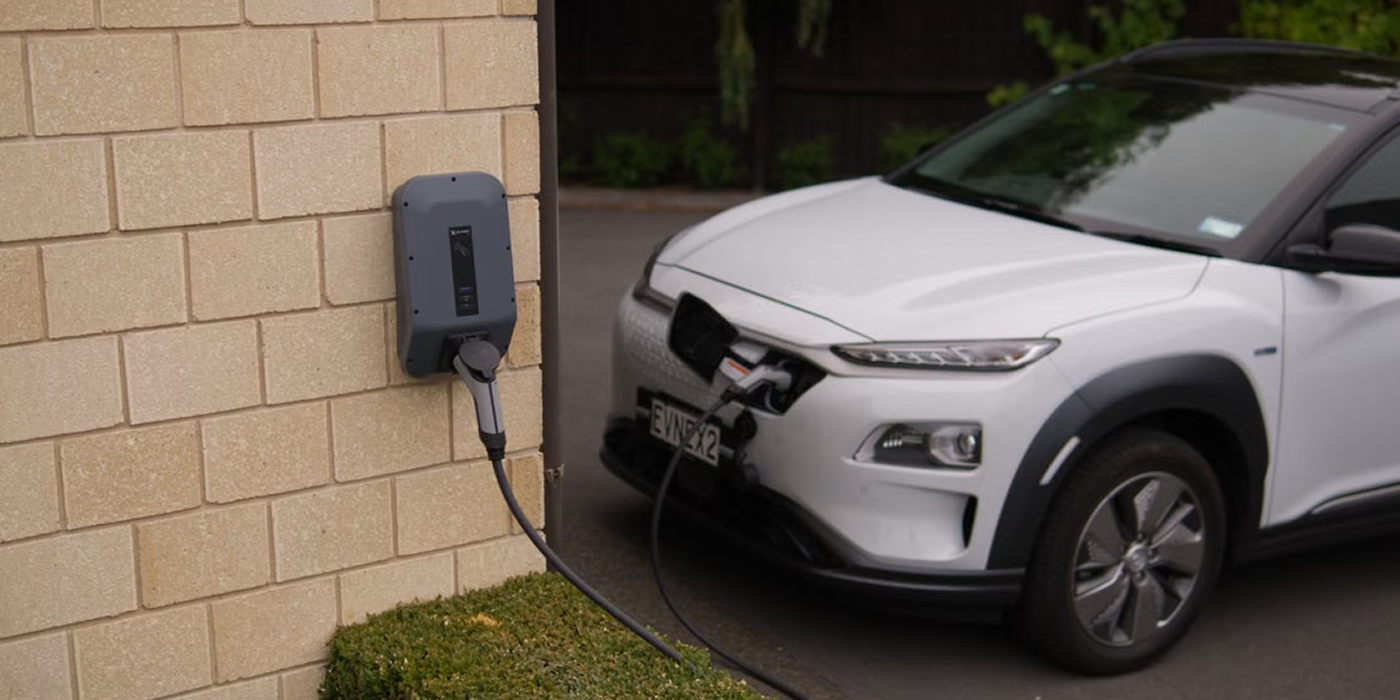
We fit home EV chargers as part of a wider renewables set-up, so your car charges on your own solar power or the cheapest electricity available. If you're planning solar panels, a battery or a heat pump, a smart charger is a natural addition. An EV charger plus an EV or plug-in hybrid car can also be required to unlock some of the best time-of-use electricity tariffs on the market.
If we use a smart charger with solar prioritisation then you can, subject to your tariff, decide wh en to charge your car and prioritise your own surplus solar if you wish. You can use this flexibly or just set and forget. Your charger can run on electricity from the grid or, better and greener still, from your own solar panels. That means more energy independence, a lower carbon footprint and bigger savings. On a time-of-use tariff, overnight charging can cost much less than daytime rates - sometimes lower than the export price of your own solar, so some customers choose to charge off-peak and export all their extra solar energy.
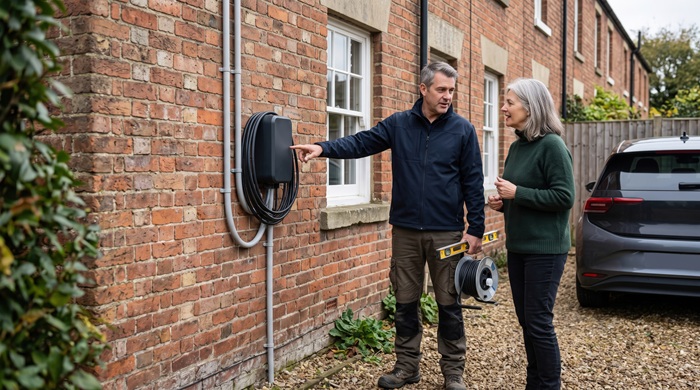
You'll need off-street parking, and your home's electrics need to be suitable. We'll check both during your survey.
Most homes in the UK are on single-phase power, which means a 7kW charger is as powerful as typically can be installed. If fitted with a CT-clamp, this should still not overload your supply, but it does mean that charging is a relatively long process - a 70kWh battery would take a notional 10 hours to charge. If you need faster charging, whether because you want to maximise a shorter off-peak time-of-use window or you need to charge bigger batteries more quickly for turnaround, an 11kW or 22kW charger needs an upgrade to three-phase power, which can be expensive but can facilitate other changes in the home. Three-phase upgrades are a big undertaking - we can get this done for you but it will need discussion
Fitting an EV charger is relatively straightforward if the cable runs and your home electrics are straightforward.
Yes, they can - some smart tariffs (where your utility controls when your car charges in return for cheaper prices) only work with some cars or chargers (or both). We can discuss the implications but it’s worth checking your preferred tariff before buying.
Because we fit chargers as part of a wider setup, we quote them as part of the whole project. The Home Check gives you a budget. As a guide, a heat pump, solar panels, battery and EV charger together for a typical home tends to cost £18,000 to £25,000.
The EV chargepoint grant has closed for most homeowners.
Real words from homeowners, schools and businesses we've worked with.
Straight answers to the questions we hear most often about solar PV for homes.