





Jon Bonnar
Head of Residential

Robin Hodge
Non - Residential Heating/Building Services

Jon Burchfield
Residential Operations



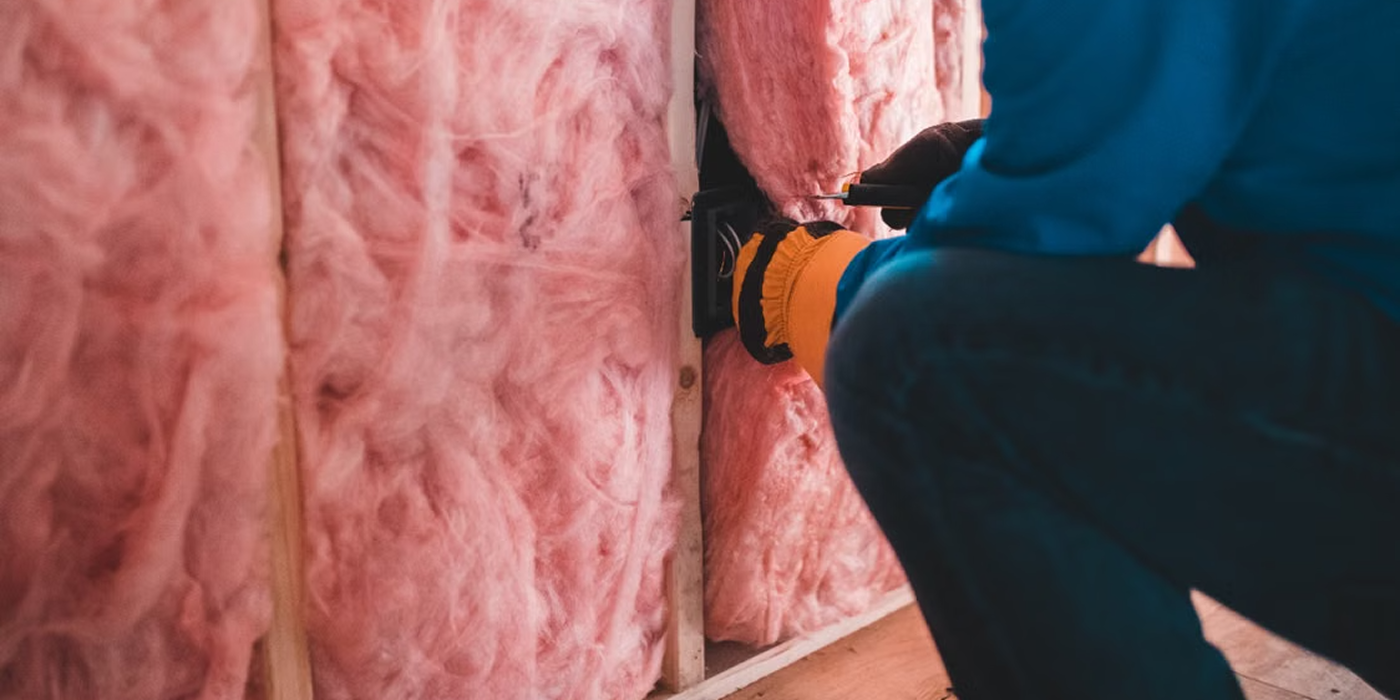
Insulation keeps heat in during the winter and out during the summer, so your home stays warm (and cool) for less and any heat pump can be smaller.
Not all insulation is a good idea
The ‘fabric first’ mantra of the retrofit industry is a simplification in our view - partly because it doesn’t make financial sense in lots of properties and partly because other options have got better since this strategy was articulated. Most modern homes are already well insulated, and adding insulation to a property that has some insulation in place has much less of an impact than adding to one that has none. Cavity wall insulation, for older (pre-1990s, normally) properties that have cavity walls, and ‘soft’ (as opposed to ‘structural’) loft insulation often pay back relatively quickly, especially for pre-1980s houses and those with under 100mm of loft insulation respectively. By contrast, external wall insulation and structural insulation is much slower to pay back in most cases and, if you have an older or heritage property, care needs to be taken to ensure the materials and approach are sympathetic to the building.
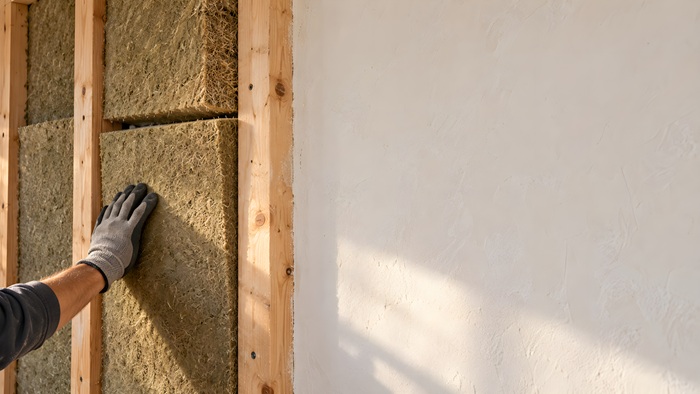
This is all about the specifics of the property. A well-designed heat pump can work in a home that isn't fully insulated, and our assessment will show whether insulation would make a material difference. Sometimes insulation makes a return in its own right, sometimes by getting the heat load down we can make a saving on a less powerful heat pump and sometimes we can reduce the number of radiator upgrades required by insulating. It’s worth saying that the Boiler Upgrade Scheme no longer requires EPC recommendations for loft and cavity upgrades to be delivered for the property to qualify for the subsidy, though these changes are often worth making anyway
Cavity wall insulation and loft insulation shouldn’t cause damp on their own as long as they are properly installed. Problems come when it's installed badly or there are broader structural problems with the home (leaking roof or damp walls), or when a home isn't ventilated properly. As we insulate, we make sure your home can still breathe, so moisture doesn't build up. Signs of a ventilation problem include condensation on windows and walls, musty smells or mould, damp patches, peeling paint or wallpaper, and stale air.
For an average home, most insulation work takes two to three days.
Costs depend on the type of insulation and the size of your home, so the Home Check gives you a rough budget assuming that particular measure has easy access - if extra access costs are relevant (taking up floors, stripping back plaster etc) then that will add to the costs. Insulation has 0% VAT when installed (not if you buy the product and fit yourself) until 1 April 2027.
Start with the Home Check. Alongside an EPC, it gives a good first view, but our measured surveys are not invasive, so we may ultimately need a specialist to investigate the existing insulation.
xxxx
Real words from homeowners, schools and businesses we've worked with.

We’ve had plenty of positive feedback, in terms of how the installs have gone, the conduct of the installers and their professionalism, and the performance has been good. That’s always been a positive feedback from our residents, in terms of the feel, in terms of its temperature especially during the winter months. It’s been really beneficial from us as a council.
Straight answers to the questions we hear most often about solar PV for homes.
xxx
Start with the Home Check. Alongside an EPC, it gives a good first view, but our measured surveys are not invasive, so we may ultimately need a specialist to investigate the existing insulation.