




Jon Bonnar
Head of Residential

Robin Hodge
Non - Residential Heating/Building Services

Jon Burchfield
Residential Operations



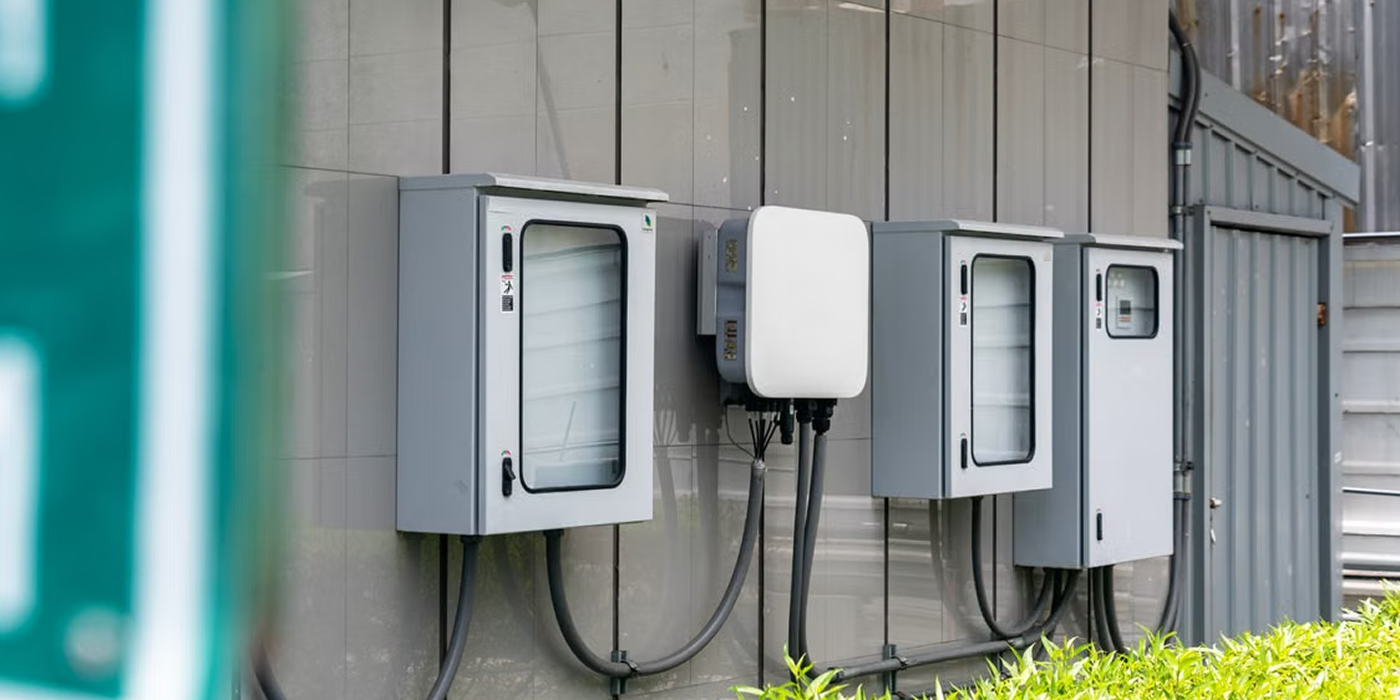
A home battery stores spare solar power or cheap overnight electricity so you can use it when you need it instead of buying from the grid at peak rates. To benefit from grid arbitrage, you will need a time-of-use tariff and a smart meter, and to store solar of course you need solar panels - though this can still make sense with rent-a-roof or feed-in-tariff arrays (ask us to make sure). Batteries play nicely with lots of other electrification technologies, reducing the amount of solar you need to export and reducing your cost per unit of electricity when set up and planned
How a battery works with solar, a heat pump or an EV
With solar, a battery stores electricity that your panels generate during the day so you can use it when the sun isn’t shining or when your home demand is higher than your panels’ output
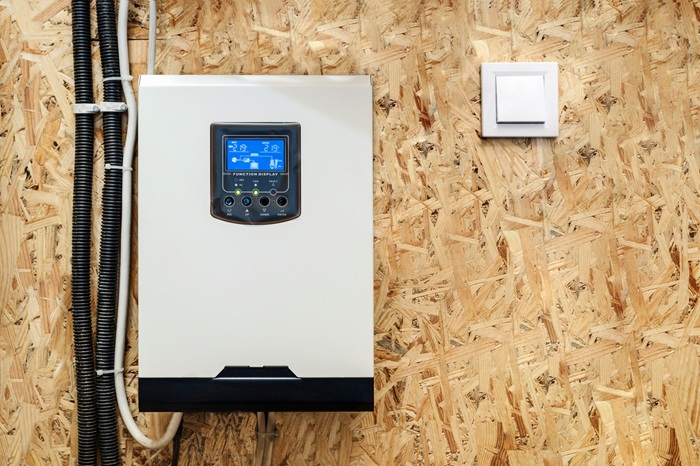
A battery helps you use more of the electricity you generate, and buy less from the grid. With solar, it makes most sense if you use less electricity when the sun shines (if the home is unoccupied during the day or you’re a night-owl), whereas time-of-use benefits just require a high enough consumption outside off-peak rates. And if you have a heat pump then the battery can help here by bringing effective unit rates closer to those of fossil fuels. As an add-on, many customers also like to install an emergency back-up capability, allowing their batteries and solar to keep their homes powered up in the event of power cuts. If you’re a limited user of electricity, or have a small solar panel system and use lots of electricity during the day, or don’t have (and don’t want or can’t have) a smart meter then a battery may not be helpful. Batteries should also only be installed in certain locations for fire safety reasons, and they need space and a strong floor as they often weigh more than a person. The other issue with batteries is that installers often over-size them (because we make more money the bigger the battery you buy!). Unlike a heat pump, which must be appropriately sized to work properly, a too-big battery will work fine, but you will have paid for something you don’t need, or need very rarely, so sizing appropriately is a way to contain the cost of any installation. With modern modular batteries, you can generally go bigger in time if you want to.
It depends on how much electricity you use, when you use it, and whether you have solar, a heat pump or an EV. We work this out as part of your design. Most home battery set-ups are between 5kWh (small) and 15kWh (large) but we can go larger for those with high loads and a willingness to trade up-front investment for ongoing savings.
We can provide a number of brands, depending on your particular requirements and price range, including Sigenergy, SolaX, Ecoflow, Fox, ElevenEnergy (for those wanting sodium batteries), SolarEdge and Enphase.
XXXXXXX
A battery costs less if you are also having solar panels if we can use a hybrid inverter to cover both the panels and the battery (this is cheaper than buying separate inverters). In such a set-up, costs tend to be in the £3,000 - £6,000 range for a relatively standard product, with emergency power supply back-up an addition on some systems and premium equipment (with AI optimisation, built-in back-up and/or more extensive time-of-use tariff integration) upping this price. Home batteries have 0% VAT when installed before 1 April 2027
Real words from homeowners, schools and businesses we've worked with.
Straight answers to the questions we hear most often about solar PV for homes.
Yes. A battery can charge on cheap overnight electricity, especially with a time-of-use tariff. Bear in mind that to make a saving without solar (you can still use it for an emergency power back-up if you install this functionality without it) you need a time-of-use electricity tariff and a smart meter.