





Jon Bonnar
Head of Residential

Lee Brooks
Software Engineering

Robin Hodge
Non - Residential Heating/Building Services



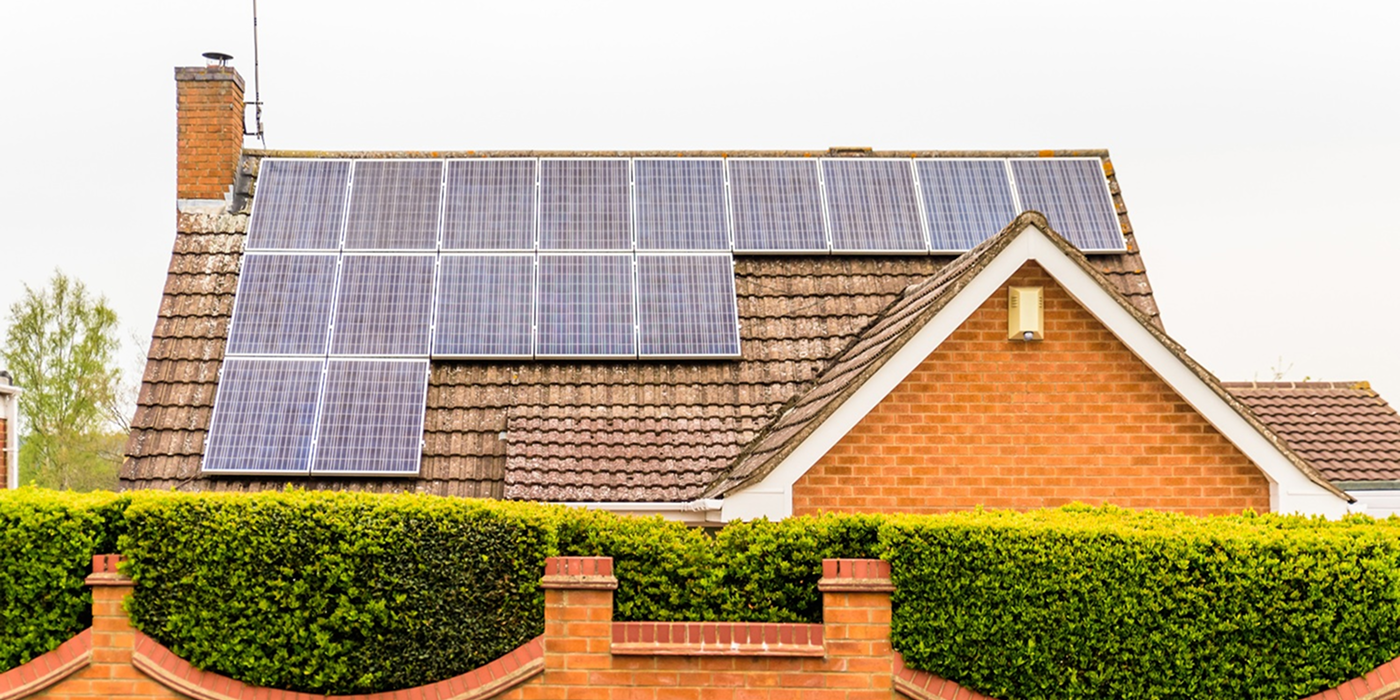
Solar panels turn daylight into electricity for your home. The power that you don’t use at the time can be used to charge a battery, or earn you money through exporting it back to your retailer.
Get an instant solar quote
Our quote tool gives you a price tailored to your roof and energy use in about five minutes
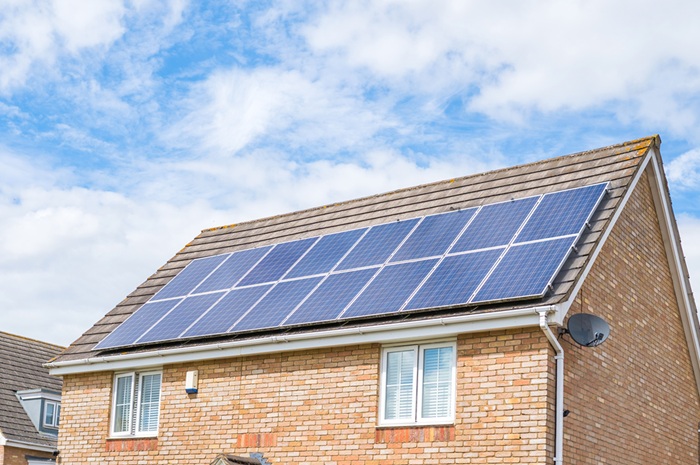
Solar works on most roofs that have the space for it and structural strength, including east and west-facing ones. It's less likely to be worth it on a heavily shaded roof or some north-facing ones. We can normally install on the roof or use an ‘in-roof’ system, which involves removing roof tiles and insetting the panels into special mounts that sit in the roof itself. If you’re in a conservation area, are listed or your home is otherwise protected then you will need to get permission; otherwise, most solar installations are classified as permitted development, though you should always check with your local planning authority.
You don't need a battery for solar panels to work and you can have a battery but not solar. If you can combine the two, a battery lets you store the electricity your panels generate during the day and use it at other times of day, so you buy less from the grid. A battery and solar both also need a relatively expensive piece of equipment called an inverter - putting both in together means we may be able to use just one inverter rather than two, saving you money. The other benefit a battery can have is if you move to (or are on) a time-of-use electricity tariff - these are cheaper at some times (often night-time) and more expensive at others. Set your battery to charge off-peak and then use it to power or part-power your home on peak and you pocket the difference
When your panels generate more electricity than you're using, the spare power can go back to the grid, and your energy supplier pays you for it. There are different rates available through different suppliers, and of course these can change, so it pays to check what the options are, but for many people the export is a valuable part of the returns. As long as your overall bill does not become negative, it’s also not a taxable saving.
An installation tends to take between a day and a week, depending on the size of the array, complexity of cabling and any add-ons. In most cases, scaffolding will be required, and that needs to go up first and come down afterwards
Every roof is different, so the quote tool gives you a price for yours rather than a guide price. If you're planning more than solar, the Home Check gives you a budget for the whole project. As a guide, a heat pump, solar panels, battery and EV charger together for a typical home tends to cost £18,000 to £25,000.
South-facing roofs get the most sun, but east and west-facing roofs also work well in the UK - you get about 15% less output from this but sometimes you can actually get more overall as panels may be able to go on both sides, whereas if you face South we don’t tend to put on North-facing roofs. We'll advise you on the best position and provide MCS-compliant estimates of how much electricity to expect through the year (though we can’t control how much the sun shines!).
Smaller systems (below 3.68kW of inverter capacity for single-phase electrics, though 11.04kW is okay for three-phase systems) are usually pre-approved for grid connection, which keeps things quick. For larger systems, we can apply for permission for you. It can take up to 45 days and isn't always given, so it's worth starting early, especially as modern high-output panels and battery demand often push us over the minimum notification limit.
Real words from homeowners, schools and businesses we've worked with.

We’ve had plenty of positive feedback, in terms of how the installs have gone, the conduct of the installers and their professionalism, and the performance has been good. That’s always been a positive feedback from our residents, in terms of the feel, in terms of its temperature especially during the winter months. It’s been really beneficial from us as a council.
Straight answers to the questions we hear most often about solar PV for homes.
Our workmanship warranty is 24 months, and the manufacturer warranties on the panels and inverter are handed over in your O&M manual
Typically around 25 years, though warranties and performance guarantees vary.
Very little. Occasional checks and cleaning keep them working well. We generally advise bird blockers for on-roof arrays to keep our feathered friends from nesting under them and causing mess.
Yes, though they produce less electricity than on a bright day.
In most cases we’ll do both the roof works and the electric works, though if you’re installing as part of a broader project sometimes we get your electrician to drag cables, though we have to connect everything up and ensure it works for accreditation purposes.
In most cases, ground-mounting is only worthwhile where you have lots of space and want lots of panels - there are a lot of fixed costs and permissions needed that mean it tends not to be worth it for smaller arrays.
Smaller systems (below 3.68kW of inverter capacity for single-phase electrics, though 11.04kW is okay for three-phase systems) are usually pre-approved for grid connection, which keeps things quick. For larger systems, we can apply for permission for you. It can take up to 45 days and isn't always given, so it's worth starting early, especially as modern high-output panels and battery demand often push us over the minimum notification limit.
South-facing roofs get the most sun, but east and west-facing roofs also work well in the UK - you get about 15% less output from this but sometimes you can actually get more overall as panels may be able to go on both sides, whereas if you face South we don’t tend to put on North-facing roofs. We'll advise you on the best position and provide MCS-compliant estimates of how much electricity to expect through the year (though we can’t control how much the sun shines!).